The Way Fashion Branding Speaks Farewell Through the Word Godspeed
Streetwear has consistently relied on words that carry weight beyond their word size, the same way each era of clothing pulls its vocabulary from an earlier time. The word Godspeed is one of those words. It survives on tags, across chestprints, and inside brand names precisely because it carries centuries of meaning inside four syllables. When a label chooses a word like this, it is not decoration. It is a statement about what the garment is intended to voice when the person is unable to.
This article explores where the word comes from, what it means currently, and why a brand shaped by farewell, safeguarding, and moving ahead strikes a chord among people browsing for a godspeed shirt or a godspeed hoodie in 2026. As we go we’ll distinguish the myth from its linguistic origins and look at how different clothing categories carry that sentiment.
Godspeed: What Does It Actually Mean?
The meaning of godspeed traces back to Middle English, specifically the phrase “God spede you,” which means word-for-word “may God prosper you.” Speed in this older sense had no connection to velocity. It meant success, fortune, or a positive result. So when someone said godspeed to a traveler in the 1300s, they weren’t wishing them a fast trip — instead they hoped for a successful one.
In the centuries that followed the phrase condensed into a single word and took on new usage. By the 16th and 17th centuries, English sailors and soldiers used it as a send-off before risky expeditions or battles. There was an implication that the person leaving may never make it home, so the blessing needed to mean something. Four hundred years on, that weight is exactly why the word still hits hard.
Today, what is godspeed to most people is a parting expression used specifically for departures that matter — not a casual “see you later” but something nearer to “I hope this goes well and I hope you come back.” NASA used it before Mercury and Apollo launches. Musicians use it in album titles and lyrics tied to loss or departure. That lineage — travel, risk, hope, return — is the very emotional godspeed ny streetwear space that clothing brands are channeling when they print the word across fabric.
How Godspeed Suits a Clothing Label
Apparel labels thrive when their identity or messaging does more than identify a product; it has to convey an attitude the wearer wants to carry. God speed clothing occupies a specific lane: it expresses resilience, motion, and understated defiance in the face of unpredictability. That’s a different emotional key than a slogan built around aggression or status signaling. It’s introspective first, aspirational second.
There’s also a graphic upside. The word godspeed has strong typographic bones — it reads well stacked, arched, or run in a single line across a chest or back panel. Designers working in streetwear and gothic-adjacent aesthetics gravitate toward words with old-world resonance because they photograph well against distressed fabric, oversized silhouettes, and monochrome palettes.
Looking past mere looks, the word functions as a storytelling device for a whole clothing collection. A single collection can explore themes of departure, guardian-style charms, open-road motifs, or memorial-style graphics, and the term godspeed itself pulls all the threads together without needing an explanit label. Even without being able to explain it, buyers register this connectedness, since the tees seem like part of one shared narrative.
Godspeed Shirts vs. Godspeed Hoodies: Which One Delivers the Message Better
Garment choice transforms how a message is received, and godspeed-branded pieces being no different. The godspeed shirt tends to work as a standout item — more lightweight, less concealed, often worn when it’s warm or layered under jackets where the graphic peeks through. The godspeed hoodie feels more substantial on the body; the hood on its own holds a deeper significance, suggesting movement, concealment, and shelter, which pairs naturally with the term’s undertones of risk and safe passage.
The overall visual effect is also shaped by cut and the weight of the fabric. Heavier cotton hoodies hold ink as well as puff prints better, granting bold typography more depth. Lighter shirt fabrics complement fine-line or faded, vintage-style graphics, which feel more like a soft, worn-in mark than an emphatic proclamation. Neither is more “correct” — each simply serves different wardrobe roles.
Throughout streetwear labels in 2026, common construction and use patterns inform how these two garment types typically function within a godspeed collection — below is a breakdown of this.
| Feature | Godspeed Shirt | Godspeed Hoodie |
|---|---|---|
| Standard weight | Lightweight cotton or cotton-based jersey | A denser blended cotton fabric finished with a fleece interior |
| Ideal season | Great from spring to early fall, useful as a layering piece | Suited to fall and winter, and worn year-round where the climate stays cool |
| Graphic style that works best | Fine-line, distressed, orfaded-vintage prints | Striking puff print, embroidery, or large-scale rear prints |
| Symbolic emphasis | Emphasis on visibility, personal statement, and day-to-day use | Shelter, staying unseen, journey motifs |
| Typical way to wear it | Worn beneath outerwear orworn solo | Used as the top layer, hood raised to emphasize the look |
Farewell-Themed Streetwear and Cultural Weight Worth Unpacking
Urban fashion has for ages drawn on imagery tied to life’s end, movement, and staying alive — skull motifs, roadway markers, compass graphics, and, these days send-off terms like godspeed. There’s no intent to startle here. It speaks to a wider cultural mood where younger consumers want clothing that acknowledges difficulty without collapsing into despair. The godspeed shirt isn’t uttering a permanent goodbye. It says “go, and come back.”
That push-pull — hope stacked on top of risk — accounts for why the word has stuck around across wartime tradition, space travel, and now apparel. It’s flexible enough to describe a service member, an spacefarer, a friend moving across the country, or anyone just grinding through a difficult year. Rather than inventing fresh meaning, clothing labels that use the word are simply borrowing its existing flexibility.
A less obvious reason exists as well: valediction-style phrasing looks good in photos and on fabric precisely because it opens itself up to multiple readings. The same godspeed hoodie can be worn by two different people, each meaning something else by it — one might be thinking about a lost friend, another about a new job across the country. The piece makes room for both meanings without requiring justification, which is part of why the aesthetic keeps expanding into 2026 collections rather than fading as a one-season trend.
How the Name Godspeed Shapes Brand Identity
When a clothing line calls itself Godspeed rather than just using the word as an occasional print, it commits to a fuller narrative arc across every drop. As a result recurring motifs — roads, wings, protective symbols, weathered typography — begin to read as deliberate instead of arbitrary. Shoppers start anticipating a particular emotional tone with each drop, which builds loyalty faster than a label that’s simply chasing trends.
There’s confidence signaled, too, in naming a label after such an old word. It tells customers the brand isn’t riding a slang phrase destined to feel stale within eighteen months; it’s grounded in something that has already outlasted four hundred years of linguistic shift. Such durability resonates with shoppers who are increasingly skeptical of quick-turnaround brands built on passing internet slang.
It also creates room for sub-collections. A brand named Godspeed can put out a “departure” capsule, a “protection” capsule, or a “return” capsule, and all of them still work under the overarching brand name. A more literal or narrow name would make that far tougher. The word’s built-in ambiguity becomes a design asset rather than a limitation.
How to Choose a Godspeed Piece That Fits Your Intent
Not every godspeed shirt or hoodie is trying to say the same thing, so it helps to study the design and craftsmanship before making a purchase. A subtle, small-scale text logo on a plain shirt comes across as quiet and private — the kind of piece someone wears because the meaning is private. A bold back-printed hoodie with heavy type functions as a statement meant to be noticed, designed to draw attention and questions.
Choosing the right fabric weight is essential, since it should correspond to how the piece will actually be worn. A heavier fleece hoodie wears better than a thin shirt if it’s intended as an outer layer through fall and winter, because of the frequent use and laundering involved. If it’s a layering piece for warmer months, a mid-weight cotton shirt avoids the bulk problem entirely.
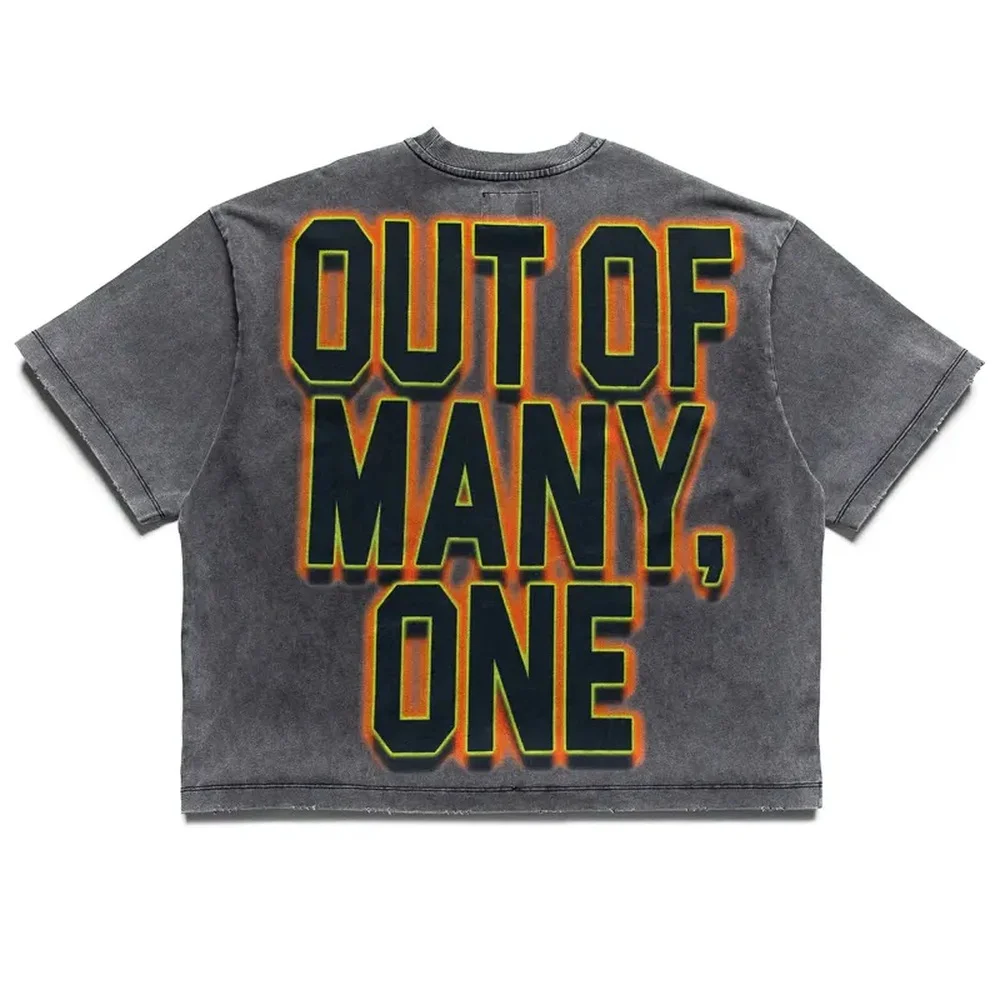
Lastly is the staying power of the design. Because the word godspeed carries centuries of meaning rather than a single cultural moment, pieces built around it tend to age better than trend-specific graphics. That’s a practical reason, not just a sentimental one, to treat a godspeed hoodie or shirt as a long-term wardrobe piece rather than a single-season purchase heading into 2026 and beyond.
Leave a Reply